



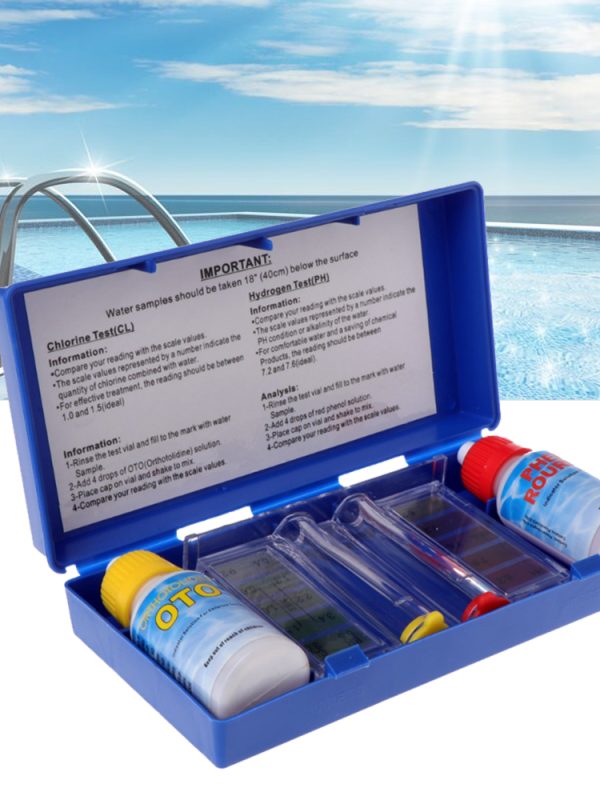

“OTO” (Orthotolidine) generally refers to a liquid reagent used in pool test kits rather than a cleaning tablet. If you are looking for pool cleaning tablets, those are typically made of chlorine (TCCA or Calcium Hypochlorite).
Below is a breakdown of OTO testing and common pool tablets.
1. OTO for Pool Testing
OTO is used to measure Total Chlorine levels in swimming pools.
- Form: It is almost exclusively found as a yellow liquid indicator.
- What it measures: It indicates the sum of both “Free” and “Combined” chlorine. It turns the water sample yellow; the darker the yellow, the higher the chlorine level.
- Limitations: It cannot distinguish between active (free) chlorine and ineffective (combined) chlorine. For more precise testing, many professionals prefer DPD tablets (Diethyl-p-phenylene diamine), which can measure free chlorine specifically.
2. Tablets for Pool Maintenance (Cleaning)
If you intended to find tablets for sanitizing your pool, these are the standard options:
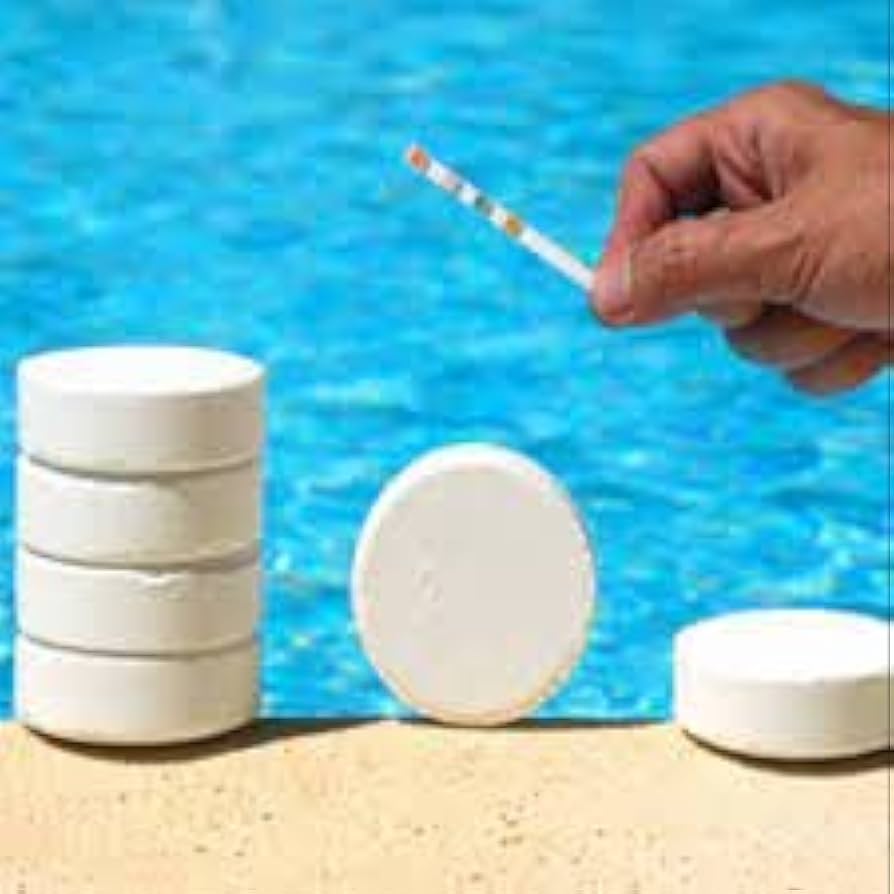
- Chlorine Tablets (3-inch or 1-inch): Used for continuous sanitation. These are often placed in a floating dispenser or an automatic chlorinator.
- Shock Tablets: Fast-dissolving tablets used to quickly raise chlorine levels to kill bacteria and algae.
- Multifunctional Tablets: These contain chlorine plus algaecides and clarifiers to help keep water clear.
3. Usage & Safety Tips
- Test Frequency: It is recommended to test your pool water at least twice a week (or daily for high-use pools).
- Ideal Levels: For a safe swimming environment, aim for a chlorine reading between 1.0 and 3.0 ppm and a pH level between 7.2 and 7.6.
- Storage: Keep all chemical reagents (OTO liquid) and chlorine tablets in a cool, dry place out of direct sunlight and away from children.